Why Households Prefer Small Senior Care Residences for Dementia and Daily Care
Business Name: BeeHive Homes of Frisco
Address: 2660 Timber Ridge Dr, Frisco, TX 75034
Phone: (469) 353-8232
BeeHive Homes of Frisco
Residential Assisted Living and Memory Care homes with compassion, core values, and care.
2660 Timber Ridge Dr, Frisco, TX 75034
Business Hours
Choosing take care of an aging parent is seldom a neat, rational decision. It is psychological, time‑sensitive, and loaded with trade‑offs that do not fit neatly into brochures. Over the last decade, I have actually fulfilled many households who began by exploring big assisted living communities, only to silently pivot towards small senior care homes tucked into regular residential communities. The reasons for that shift are hardly ever about shiny facilities. They are typically about the truths of dementia, frailty, and everyday life.
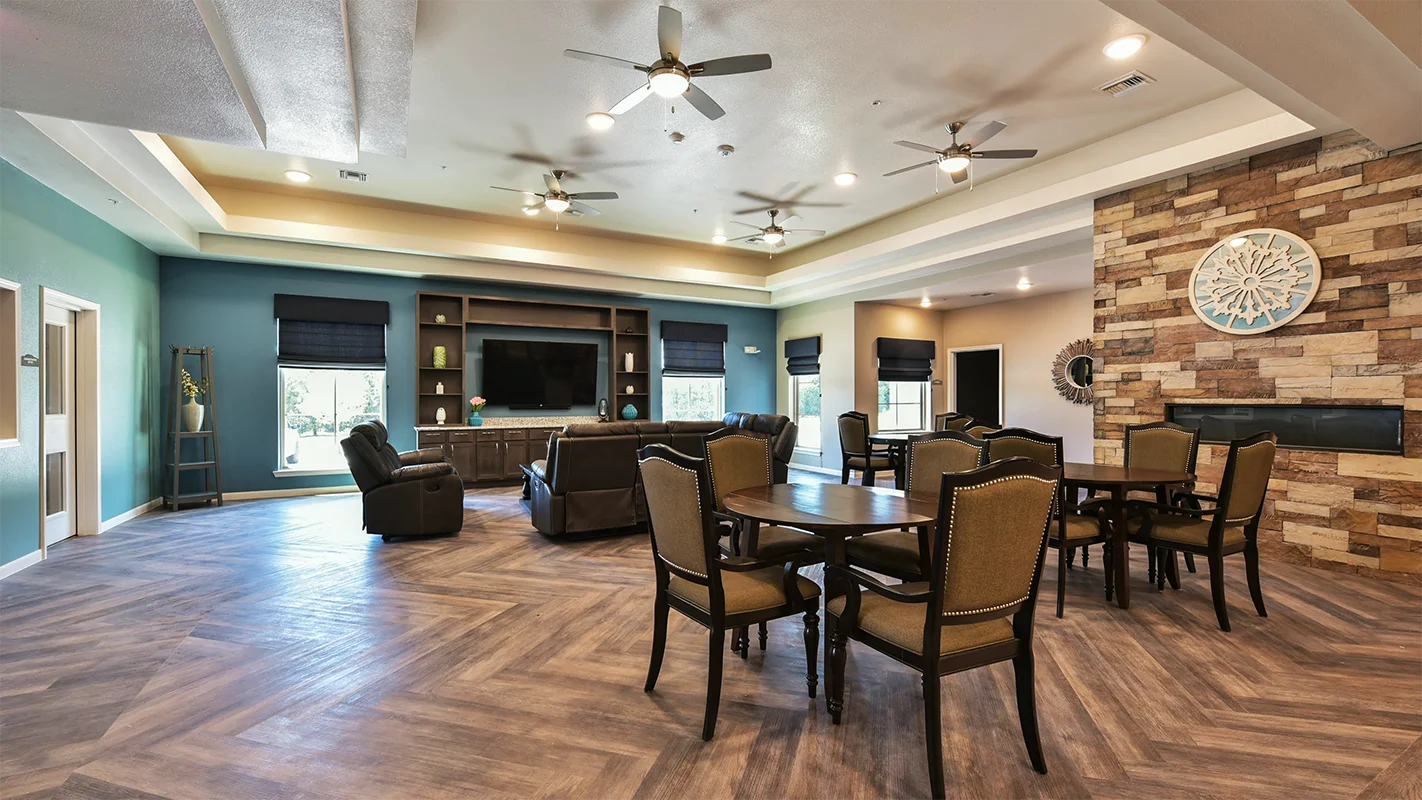
This post looks carefully at why small senior care homes have ended up being a preferred choice for lots of people who need dementia support and hands‑on daily care. The focus is useful: what in fact works at 2 a.m., what households observe after the first couple of months, and what in some cases goes wrong if the match is not right.
What small senior care homes really are
Terminology is puzzling, partly since regulations differ from one state to another and country to country. In numerous locations, small homes are accredited under the same statutes as assisted living, residential care, or board‑and‑care. The typical thread is scale and setting.
Instead of a big school with lots or numerous residents, a small senior care home generally serves between 4 and 12 individuals. The building is typically a transformed single‑family house in a routine community. Bed rooms may be private or semi‑private. Shared spaces look more like a family living-room and dining location than a hotel lobby.
Staffing patterns are different from big centers. Caretakers in small homes are typically universal employees. The exact same person might help with bathing, prepare a basic meal, and sit at the table assisting with lunch. There is less department between "care," "activities," and "hospitality," which can be a benefit for somebody living with dementia.
Many of these homes can offer a complete series of elderly care except on‑site nursing: assistance with dressing, continence care, medication management, guidance for wandering danger, and assistance with mobility. Some also provide short‑term respite care for families who need a safe place throughout a health center healing or caretaker break.
Not all small homes are alike, however. Some focus on advanced dementia. Others lean toward fairly independent locals who require aid mostly with meals and medications. Part of the work for families is comprehending how the home specifies its own niche.
Why scale matters a lot for dementia
Dementia changes how an individual processes sound, movement, and social details. A space that feels "dynamic" to a healthy adult can feel disorderly to someone with amnesia or impaired spatial awareness. This is where small senior care homes frequently shine.
In a home with 6 or 8 homeowners, patterns are simpler to keep. Breakfast generally looks the very same every day. The table remains in the same spot, the same caretaker pours the coffee, the same cupboard holds the cups. For an individual with dementia, that predictability lowers stress and anxiety and reduces the need for continuous cueing.
There is also less "visual sound." Passages are brief. People recognize. You can see the kitchen area from the living-room. There are less complete strangers walking through for trips, deliveries, or activity programs. For residents who become distressed in crowds or open areas, the smaller scale can be a relief.
Families frequently inform me that their relative, who seemed withdrawn in a large assisted living community, ends up being more engaged after moving into a smaller setting. They may start assisting fold towels or set the table since it appears like a genuine family task, not a staged activity. The intimacy of the environment invites involvement rather of passive observation.
Of course, small environments are not immediately calm. An over‑stimulating television, a loud roommate, or a continuous stream of visitors can still overwhelm. The difference is that in a small home, it is much easier for personnel to observe and change quickly, since whatever happens within sight and earshot.
The human side of day-to-day care
The most engaging advantage of small senior care homes, in my experience, is connection of relationships. In a large building, staffing schedules rotate across units and shifts. A resident with dementia may engage with a dozen or more caregivers in a single week. Even the most dedicated employee struggles to know personal preferences deeply when spread throughout 30 or 40 residents.
In a small home, the caregiving group is smaller and more stable. A resident may consistently see the same 3 or 4 caretakers. That stability matters when you require intimate assist with bathing, toileting, or eating. It cuts down on the worry and resistance that can accompany personal take care of someone who can not totally comprehend why a stranger is undressing them.
I keep in mind a female in her late seventies, let us call her Maria, who had moderate Alzheimer's disease. She ended up being agitated whenever staff tried to assist her shower in a large assisted living memory system. With lots of locals on the schedule, personnel had actually limited time to slowly build trust and adjust. After she moved to a small home, one caregiver took the lead and was constantly the "bath assistant." Over a couple of weeks, that caretaker learned Maria's preferred water temperature, the sequence that made her feel safe, and even a preferred song from her youth. Showers became uneventful. The job was the exact same. The distinction was the relationship and the capability to personalize.
Daily care in a small home also tends to blend more naturally with common life. Rather than a structured "activity calendar," engagement may look like chopping veggies at the kitchen area counter, watering plants, folding laundry, or resting on the front porch seeing area kids ride their bikes. These small moments, duplicated daily, can do more for lifestyle than periodic large events.
That said, families must take note of how well a particular home handles boredom and under‑stimulation. A small setting without enough structure can move into a pattern where citizens invest hours in front of the television. The very best homes balance the comfort of family life with deliberate, meaningful engagement.
Assisted living vs small homes: what households really notice
On paper, a licensed small home and a conventional assisted living community may note really comparable services. Both may promise assist with activities of daily living, medication administration, house cleaning, meals, and some level of dementia assistance. Households frequently ask, "If the services are the very same, why do people say small homes feel so various?"
Key distinctions that households typically report include:
- Atmosphere: Small homes typically feel like visiting a relative, while bigger assisted living structures can feel more like hotels or clinics.
- Staff interaction: Caregivers in small homes generally have more time per resident and can remain in discussion without feeling they are "behind on a hallway."
- Flexibility: Homes with a handful of residents can more easily change mealtimes, regimens, and even menu products to individual preferences.
- Visibility: In a small home, nearly whatever is within a short walk. Households can see how personnel engage with everyone, not just their own relative.
- Transitions: Relocations within the building (for instance, from assisted living to a separate memory care wing) are less common in small homes, because the entire home currently works at a greater support level.
The contrast is not always in favor of the smaller alternative. Large assisted living neighborhoods might be better geared up for robust on‑site physical therapy, organized trips, beauty parlor, and a broader variety of structured programs. For senior citizens who are still rather social and mobile, that can be a major plus.
The question is not which model is "better" however which environment fits the person's present and most likely future needs.
Why small homes fit advanced dementia especially well
As dementia progresses, the concern often moves from broad social engagement to convenience, security, and psychological security. At that stage, families tend to value the following elements of small senior care homes.
Consistency of faces. An individual with innovative dementia may not keep in mind names, however they recognize tone of voice, touch, and basic existence. Seeing the exact same caretakers every day reduces worry. It likewise helps staff area subtle changes in health, because they understand what is regular for that individual.
Simplified navigation. Large structures can be confusing even with color‑coded halls and memory hints. In a small home, strolling from the bedroom to the kitchen includes less decision points, which lowers fall threat and wandering possible. Outside areas, such as a fenced yard or outdoor patio, are much easier to supervise.
Easier adaptation to habits. Responsive habits like pacing, searching, or calling out are common in innovative dementia. Staff in a small home can tailor the environment on the fly: turning on soft music, rerouting somebody into a quiet corner, including them in a basic job. They are less constrained by institutional routines or fixed staffing assignments.
End of‑life familiarity. Numerous families find it reassuring that their loved one can stay in the exact same bed, surrounded by the same caregivers, through the last stage of life, typically with hospice services layered in. Transferring someone in late‑stage dementia to a new and unknown center can be deeply destabilizing.
There are limits, naturally. If somebody's medical intricacy exceeds what unlicensed or minimally licensed caretakers can deal with, a proficient nursing facility might be more secure. Some small homes partner carefully with checking out nurses and hospice groups to bridge that gap, while others can not. Households must ask particular concerns about what occurs when medical requirements increase.
How small homes support households, not just residents
A good small senior care home does not just care for the resident; it absorbs the household into its orbit. That often feels various from the experience in a bigger center, where managers might alter regularly and interaction routes are formal.
In smaller settings, member of the family generally know every personnel individual by given name, consisting of the over night shift. They see managers in your home, not simply in an office. When something modifications with Mom's cravings or Dad's sleep, the update tends to come quickly and personally. That constructs trust, which is valuable for families managing regret, grief, and practical logistics.
Respite care is one location where small homes are especially important. Some accept brief stays of a week or a month, allowing exhausted household caregivers to charge or take a trip. Due to the fact that the environment is home‑like and not frustrating, individuals with dementia are more likely to tolerate the short-lived change without severe distress. And if the respite stay goes especially well, it sometimes becomes a trial run for longer‑term placement.
Financial transparency can likewise be clearer in smaller homes. Instead of layered charge structures with add‑on charges for every single new service, lots of small homes use an all‑inclusive daily or regular monthly rate that covers typical elderly care needs. Families still require to ask about additionals, such as incontinence materials, transportation, and haircuts, but the standard is often more straightforward.
Trade offs and limitations to keep in mind
If small senior care homes were perfect, every family would flock to them. They are not. Comprehending the drawbacks upfront helps you make a realistic, resilient choice.
Amenities and stimulation. Individuals who flourish on variety might find a small home confining. There is no on‑site theater, art studio, or restaurant. Outings depend upon staff availability and transport logistics. A resident used to an active assisted living lifestyle may feel their world has actually shrunk unless the home is deliberate about community involvement.
Medical assistance. Even when licensed for assisted living level care, most small homes do not have full‑time nurses on website. They depend on on‑call nurses, checking out professionals, and regional clinics. For someone with unsteady heart, breathing, or injury concerns, that arrangement may be insufficient. You need clarity on how the home manages immediate medical modifications, health center transfers, and return‑from‑hospital care.
Regulatory irregularity. In some jurisdictions, oversight of small residential care homes is less robust than for large respite care facilities. That does not instantly mean lower quality, but it increases the significance of your own due diligence. Ask about assessment history, staff training, and how the home manages complaints or incidents.
Staffing threats. While connection is a strength, a very small group is susceptible to disruption. If two crucial caretakers leave, the whole environment can move. Ask how the service provider hires, trains, and supports staff, and what their backup plan is during illness or turnover.
Family characteristics. The intimacy that lots of households enjoy can likewise feel exposing. There is less privacy than in a big building. Stress between resident households, or distinctions in expectations, may feel more personal in a six‑bed home than in a 120‑apartment community.
How to examine a small senior care home
Tours and pamphlets have limitations. The strongest predictors of a good fit are frequently found in the details you discover when staff are not attempting to impress you. When checking out, focus more on the daily rhythm and interactions than on décor.
Here is a brief, useful set of concerns to assist your assessment:
- How lots of caregivers are on responsibility throughout the day, night, and overnight, and the number of citizens do they support?
- What specific training and experience do personnel have with dementia, movement issues, and difficult behaviors?
- How are medical needs dealt with, including medication management, immediate situations, and coordination with doctors or hospice?
- What does a common day look like for somebody with your loved one's capabilities, consisting of meals, rest, and engagement?
- Under what circumstances would the home ask a resident to vacate, and just how much notification would they give?
Ask to visit more than as soon as, at different times of day. Late afternoon and early evening, when locals are tired and staff are busy, can be revealing. Pay attention to smells, sound levels, and whether personnel speak respectfully when they believe no one is listening.
If possible, talk with another household whose relative lives there. Ask what surprised them after move‑in, what they want they had actually known earlier, and how the home responded when something went wrong.
Cost, value, and reasonable expectations
Families typically assume smaller need to imply more expensive. In reality, rates varies extensively, and small homes can often be equivalent to, and even more economical than, big assisted living neighborhoods of comparable care level. Several aspects affect cost.
Staff to‑resident ratio is a significant chauffeur. A home that keeps one caregiver for each 3 or 4 residents around the clock will cost more than a facility where one caretaker is responsible for a dozen individuals during the night. Higher ratios, nevertheless, often equate into much better outcomes for people with dementia who require frequent cueing and supervision.
Location matters as well. Residences in dense city areas with high realty and labor costs will generally charge more than those in outlying residential areas or rural towns. Licensing classification, personal or shared spaces, and whether pricing is all‑inclusive or tiered based upon care needs likewise affect the bottom line.
When comparing choices, it helps to look past the raw dollar figure and consider what you are buying. That consists of decreased hospitalizations, fewer emergency crises in your home, and the intangible but extremely genuine worth of family peace of mind. I have worked with caregivers who invested months attempting to maintain somebody at home with patchwork supports, only to realize later that the cumulative cost and psychological toll far surpassed what a well‑chosen small home would have required.
At the same time, expectations must remain grounded. A small home can not remove the progression of dementia. There will still be difficult days, behavioral changes, and medical crises. The real procedure of quality is how the home responds when things go wrong: with patience, truthful communication, and a determination to adapt, or with blame and defensiveness.
When a larger setting might be the much better choice
Although this post focuses on reasons households prefer small homes, it would be misleading to provide them as the default response in every situation. Larger assisted living or specialized memory care neighborhoods have strengths that can be decisive.
They frequently use more robust on‑site medical existence, specifically if they use full‑time nurses, therapists, or checking out physicians. For an elder with both dementia and complex chronic illnesses, that integrated assistance can decrease emergency clinic visits.
Activity shows in larger communities tends to be more comprehensive. If your relative still takes pleasure in performances, group workout, religious services, or outings to museums and dining establishments, a big school with dedicated life enrichment personnel might keep them more engaged. Some people with early‑stage dementia find peer interaction in such environments energizing rather than overwhelming.
Families likewise in some cases appreciate the clear separation of functions in larger settings. There are devoted housemaids, dining staff, and upkeep teams. Demands go through understood channels. While that can feel administrative, it can also indicate issues are resolved by individuals whose sole task is to fix them.
The choice point typically arrives when dementia advances and the stimulation that when helped begins to overwhelm. At that phase, some citizens shift from the bigger neighborhood into a smaller, quieter home, either on the very same school or in other places in town. Preparation ahead for that possibility can avoid hurried relocations after a crisis.
Pulling it together for your family
If you are weighing options for assisted living, dementia assistance, or short‑term respite care, it assists to believe less in terms of structure labels and more in terms of fit.
Ask yourself how your loved one has actually lived throughout their life. Were they most in the house in small, familiar circles, or did they draw energy from busy environments? Do they feel much safer when they can see and hear whatever going on around them, or do they choose retreat and quiet? How do they react to noise, change, and complete strangers right now, not ten years ago?
Then take a look at your own capacity and requires as a household caregiver. A well‑chosen small senior care home can end up being an extension of your family, taking in some of the manual labor and emotional strain while you stay present as a child, child, partner, or pal. It is not a failure to accept that assistance. For many senior citizens, it is the plan that best safeguards their self-respect as dementia and frailty progress.
The greatest options come when households take time to visit multiple settings, ask tough questions, and listen not just to what the staff say, but to how their loved one responds to the environment. For many years, I have watched lots of families breathe out with relief when they discover that peaceful house on a tree‑lined street, where the living room smells like soup on the range and somebody who knows their parent by name is carefully assisting them to the table.
That is generally when they realize why a lot of individuals, dealing with the exact same agonizing choices, end up preferring the scale and soul of a small senior care home for dementia and day-to-day care.
BeeHive Homes of Frisco provides assisted living care
BeeHive Homes of Frisco provides memory care services
BeeHive Homes of Frisco provides respite care services
BeeHive Homes of Frisco supports assistance with bathing and grooming
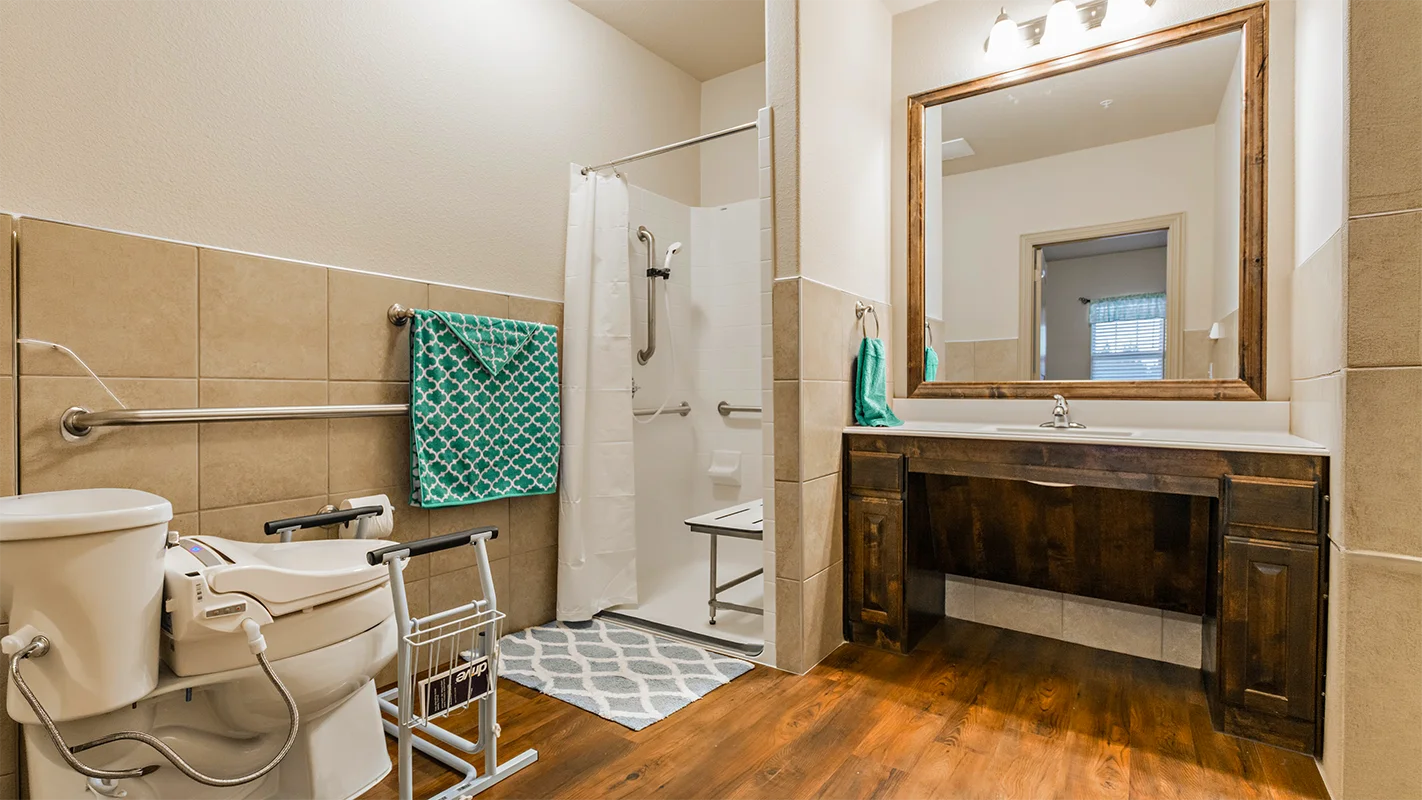
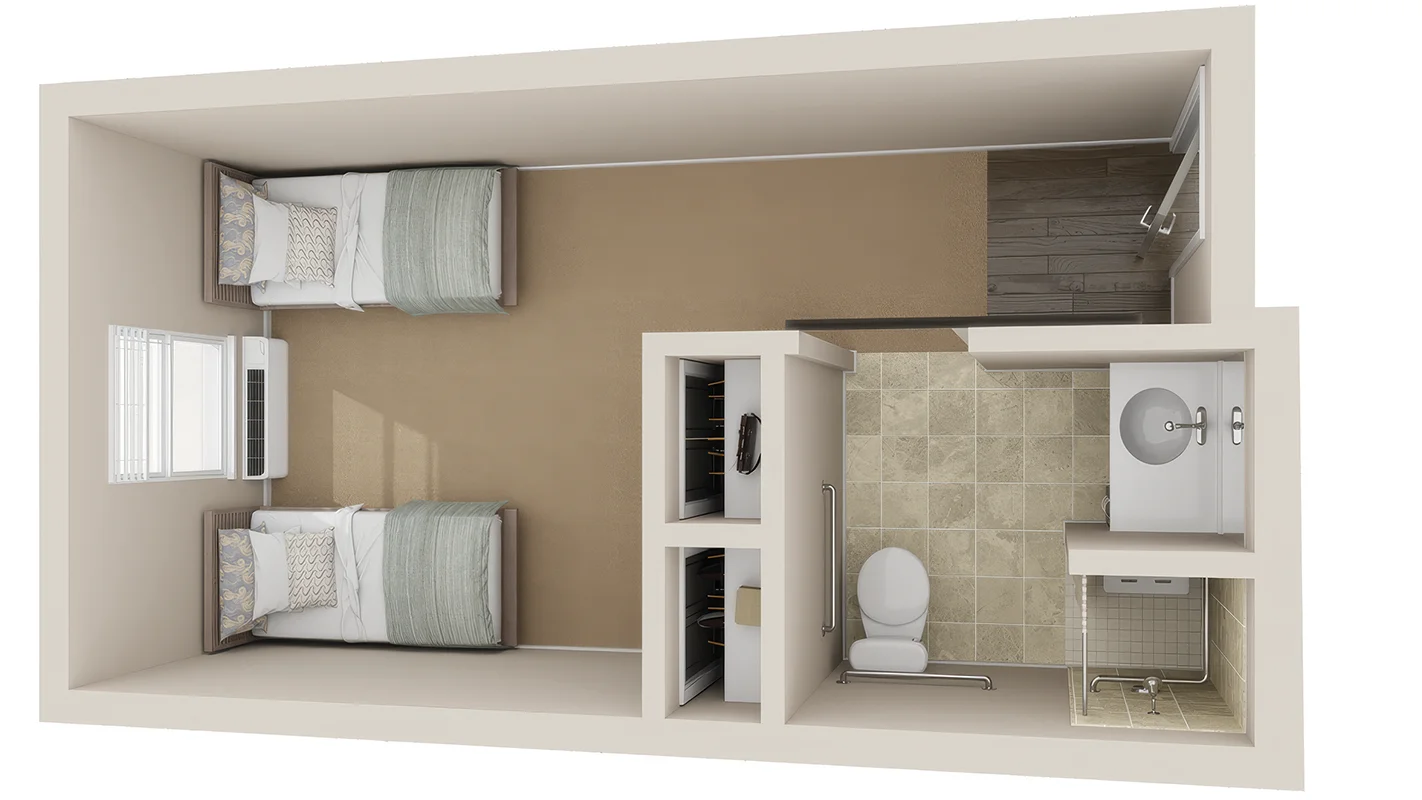
BeeHive Homes of Frisco offers private bedrooms with private bathrooms
BeeHive Homes of Frisco provides medication monitoring and documentation
BeeHive Homes of Frisco serves dietitian-approved meals
BeeHive Homes of Frisco provides housekeeping services
BeeHive Homes of Frisco provides laundry services
BeeHive Homes of Frisco offers community dining and social engagement activities
BeeHive Homes of Frisco features life enrichment activities
BeeHive Homes of Frisco supports personal care assistance during meals and daily routines
BeeHive Homes of Frisco promotes frequent physical and mental exercise opportunities
BeeHive Homes of Frisco provides a home-like residential environment
BeeHive Homes of Frisco creates customized care plans as residents’ needs change
BeeHive Homes of Frisco assesses individual resident care needs
BeeHive Homes of Frisco accepts private pay and long-term care insurance
BeeHive Homes of Frisco assists qualified veterans with Aid and Attendance benefits
BeeHive Homes of Frisco encourages meaningful resident-to-staff relationships
BeeHive Homes of Frisco delivers compassionate, attentive senior care focused on dignity and comfort
BeeHive Homes of Frisco has a phone number of (469) 353-8232
BeeHive Homes of Frisco has an address of 2660 Timber Ridge Dr, Frisco, TX 75034
BeeHive Homes of Frisco has a website https://beehivehomes.com/locations/beehive-homes-frisco/
BeeHive Homes of Frisco has Google Maps listing https://maps.app.goo.gl/HWUAPNmeBuFCmgFdA
BeeHive Homes of Frisco has Facebook page https://www.facebook.com/BeeHive.Frisco.McKinney/
BeeHive Homes of Frisco has an Instagram account at Instagram
BeeHive Homes of Frisco won Top Assisted Living Homes 2026
BeeHive Homes of Frisco earned Best Customer Service Award 2025
BeeHive Homes of Frisco placed 1st for Texas Senior Living Communities 2025
People Also Ask about BeeHive Homes of Frisco
What is BeeHive Homes of Frisco Living monthly room rate?
The rate depends on the level of care that is needed. We do an initial evaluation for each potential resident to determine the level of care needed. The monthly rate is based on this evaluation. There are no hidden costs or fees
Can residents stay in BeeHive Homes of Frisco until the end of their life?
Usually yes. There are exceptions, such as when there are safety issues with the resident, or they need 24 hour skilled nursing services
Do we have a nurse on staff?
No, but each BeeHive Home has a consulting Nurse available on demand. The High Acuity building will have an RN on call 24x7. In some cases the residents can be assessed for Home Health and Hospice needs and if approved can get a higher level of nursing care
What are BeeHive Homes of Frisco's visiting hours?
Visiting hours are adjusted to accommodate the families and the resident’s needs… just not too early or too late
Do we have couple’s rooms available?
Yes. Our Memory care building have double occupancy room which can be shared by couples. In our assisted living the side - by - side rooms can be taken by couples. Please ask about the availability of these rooms
Where is BeeHive Homes of Frisco located?
BeeHive Homes of Frisco is conveniently located at 2660 Timber Ridge Dr, Frisco, TX 75034. You can easily find directions on Google Maps or call at (469) 353-8232 Monday through Sunday 7:00am to 7:00pm
How can I contact BeeHive Homes of Frisco?
You can contact BeeHive Homes of Frisco by phone at: (469) 353-8232, visit their website at https://beehivehomes.com/locations/beehive-homes-frisco/ or connect on social media via Instagram Facebook or YouTube
Residents may take a trip to the Craftway Kitchen Frisco. Craftway Kitchen Frisco provides a welcoming restaurant setting where families connected with Assisted living memory care senior care elderly care and respite care can gather for an enjoyable meal.